How Frame Etsy Listings Mockup Transforms Your Shop's Visual Appeal
When you browse through Etsy, what makes you stop scrolling and click on a listing? More often than not, it isn't just the product itself, but the way it is presented. Sellers who invest time in creating polished, professional visuals tend to stand out, and one of the most effective tools in their arsenal is the frame Etsy listings mockup. This approach involves placing your product image inside a realistic frame—such as a digital screen, a physical picture frame, or a staged room setting—to help buyers visualize the item in a real-world context. Whether you sell digital prints, wall art, photography, or even handmade decor, understanding how to use frame mockups can elevate your shop from amateur to aspirational.
In this article, we will explore what frame mockups are, why they matter for your Etsy business, how to use them effectively, and how they fit into the larger picture of modern e-commerce and creative selling. You will learn not just the technical how-to, but also the psychological reasons behind why framed presentations work so well.
What Exactly Is a Frame Etsy Listings Mockup?
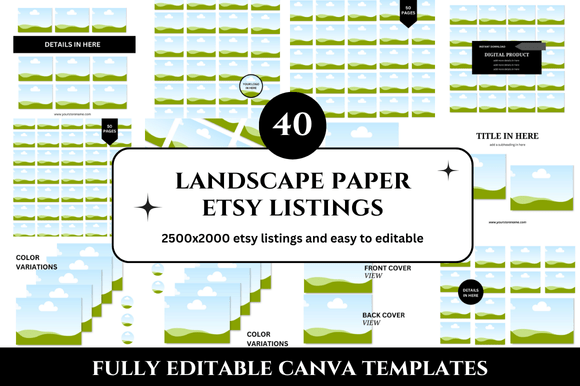
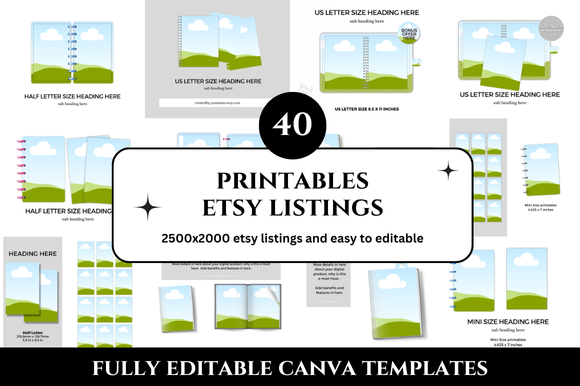
At its simplest, a frame mockup is a pre-designed template or scene that includes an empty space where you can insert your own product image. The frame itself might look like a wooden picture frame hung on a wall, a digital tablet or smartphone screen, a desktop monitor, or even an ornate vintage frame sitting on a shelf. The mockup is typically delivered as a layered file, such as a Photoshop PSD, a Canva template, or a web-based tool, where you place your artwork or product photo into the designated area. The result is a composite image that shows your product as if it were already framed, displayed, and part of a lifestyle setting.
For Etsy sellers, this is especially useful because many items sold on the platform are digital downloads—printable art, invitations, planners, and photographs. A buyer might struggle to imagine how a flat digital file will look once printed and hung on a wall. A frame mockup bridges that gap by providing a realistic preview. Even for physical products like handmade frames, mirrors, or wall decor, a mockup scene helps the customer see the item in a curated environment, increasing perceived value and desirability.
Why Frame Mockups Matter for Etsy Sellers
Etsy is a highly visual marketplace. Shoppers make snap judgments based on thumbnail images, and they often scroll through dozens of listings before deciding where to click. If your listing image is simply a flat, isolated picture of a digital file, it can look generic or unappealing. A frame mockup changes that dynamic in several important ways.
Creating Emotional Connection
When a potential buyer sees your product inside a beautifully styled room, they begin to imagine it in their own home. This emotional projection is a powerful driver of purchase intent. A frame that shows your art on a gallery wall with warm lighting and complementary decor tells a story. It suggests a lifestyle, a mood, and a sense of belonging. This is something a plain white-background image cannot achieve.
Increasing Perceived Value
Products presented in a mockup frame often appear more premium. The framing itself suggests that the item is worthy of being displayed, and the careful staging implies quality. A print that costs $5 can suddenly look like a $50 piece of art when shown in a realistic frame mockup with a sophisticated interior setting. This perceived value can justify a higher price point and reduce price sensitivity.
Improving Click-Through and Conversion Rates
Etsy's search algorithm favors listings that get clicks and sales. A compelling listing image that stands out in search results naturally attracts more attention. Frame mockups produce images that are visually distinct from the sea of flat, white-background thumbnails. More clicks lead to more views, and more views paired with strong visuals lead to more sales. This creates a positive feedback loop that helps your listing rank better over time.
Types of Frame Mockups and When to Use Them
Not all frame mockups are the same. Depending on your product niche and brand aesthetic, you will want to choose a style that aligns with your target audience's expectations. Here are the most common types used by Etsy sellers.
Realistic Picture Frame Mockups
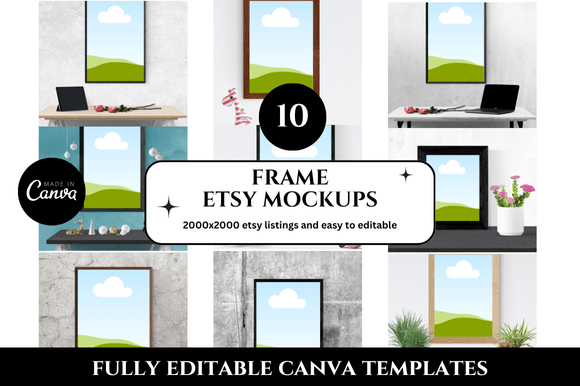
These mockups show your artwork inside a physical frame—often wooden, metallic, or ornate—placed on a wall, leaning against a surface, or part of a gallery arrangement. They are ideal for wall art, photography prints, posters, and canvases. The frame itself adds authenticity and helps buyers imagine the finished product. Many sellers use multiple frame colors (black, white, gold, natural wood) to give customers options.
Digital Screen Mockups
These place your product onto a digital device like an iPad, laptop, or smartphone. They are perfect for digital planners, calendars, invitations, or any product intended for on-screen use. A digital screen mockup signals to the buyer that the item is a digital file, while also showing how it will function in daily life. This reduces confusion and sets clear expectations.
Lifestyle and Room Scene Mockups
These go a step further by embedding the framed product into a fully styled room—a living room, bedroom, office, or nursery. The product might be hung above a sofa, placed on a desk, or displayed on a shelf alongside plants, books, and decor. Lifestyle mockups are powerful because they create a complete visual narrative. They work especially well for home decor, art prints, and wall hangings.
Collage and Multi-Product Mockups
Some sellers offer bundles or sets, such as a gallery wall collection or a set of matching prints. Collage mockups allow you to show multiple framed products together in one image. This helps customers envision a coordinated look and often encourages them to purchase more than one item.
How to Use Frame Mockups Effectively
Creating a great frame mockup image is about more than just dragging and dropping your design. Here are practical strategies to get the best results.
Choose High-Quality Mockup Templates
Invest in mockups that look realistic. Poor lighting, obvious shadows, or low resolution can make your product look cheap. Look for templates from reputable sources like Creative Market, Etsy itself, or free resources like Unsplash and Canva. If you are using Photoshop, pay attention to layer organization and smart object placement.
Match the Mockup to Your Audience
Your mockup should reflect the taste and lifestyle of your ideal customer. If you sell minimalist Scandinavian art, use a mockup with clean lines, neutral colors, and simple decor. If your style is boho or eclectic, choose a mockup with warmer tones, textured fabrics, and plants. The mockup is an extension of your brand identity.
Use Consistent Branding Across Listings
While variety is good, too many different mockup styles can make your shop look disjointed. Stick to a consistent color palette, lighting style, and overall aesthetic. This builds brand recognition and trust. When a customer scrolls through your shop, they should feel a cohesive visual experience.
Optimize for Thumbnails
Etsy displays listing images as small squares. Make sure the most important element—your product—remains visible and recognizable even at thumbnail size. Avoid cluttered backgrounds that distract from the product. The frame should complement, not overwhelm, your item.
Include Multiple Angles and Close-Ups
One mockup is good, but several are better. Show your product in different settings: a wide room shot, a close-up of the frame detail, and perhaps a flat lay of the digital file itself. This gives the buyer a complete understanding of what they are purchasing and reduces the likelihood of returns or dissatisfaction.
Common Misunderstandings About Frame Mockups
Despite their popularity, frame mockups are sometimes misunderstood. Let's clear up a few common assumptions.
- Misunderstanding: Mockups are only for digital products.
While mockups are essential for digital downloads, they also benefit physical products. A handmade mirror, a wooden sign, or a fabric wall hanging can all be shown in a staged setting to enhance appeal. - Misunderstanding: You need advanced design skills.
Many mockup tools are beginner-friendly. Canva, Placeit, and even smartphone apps offer drag-and-drop functionality. You do not need to be a Photoshop expert to create professional-looking images. - Misunderstanding: Mockups are deceptive.
Some sellers worry that showing a product in a mockup is misleading. As long as the product itself is accurately represented and the mockup reflects the actual item, it is not deceptive. In fact, it helps set realistic expectations by showing the product in context. - Misunderstanding: One mockup fits all.
Different products call for different mockups. A digital planner needs a device screen, while a wall print needs a picture frame. Using the wrong type of mockup can confuse buyers.
Frame Mockups in the Context of Modern E-Commerce
In today's online marketplace, visual storytelling is no longer optional. Platforms like Etsy, Instagram, Pinterest, and TikTok reward high-quality imagery with better reach and engagement. Frame mockups are a natural extension of this trend. They allow sellers to produce content that is not only informative but also shareable and aspirational. A well-crafted mockup image can be used across multiple channels: as a listing photo, a social media post, a pin on Pinterest, or a featured image in a blog post.
Moreover, the rise of print-on-demand and digital product businesses has made mockup skills increasingly valuable. Sellers who understand how to frame their listings effectively can launch products faster, test new designs with minimal risk, and scale their shops without needing to physically produce every item for photography. This efficiency is a significant advantage in a competitive marketplace.
Educational Value for Beginners
For new sellers, learning to use frame mockups is one of the first steps toward professional branding. It teaches principles of composition, lighting, and audience targeting. Even if you never become a design expert, the ability to create a polished listing image gives you confidence and credibility.
Practical Relevance for Established Sellers
For experienced sellers, mockups offer a way to refresh your shop without reshooting physical products. You can update your listing images seasonally, test new styles, or create promotional graphics for sales events. Mockups are flexible, reusable, and cost-effective.
Tools and Resources for Creating Frame Mockups
If you are ready to start using frame mockups, here are some accessible tools and resources:
- Canva – Offers a large library of free and premium mockup templates. Easy drag-and-drop interface. Best for beginners.
- Placeit – A dedicated mockup generator with thousands of templates, including frame, device, and lifestyle scenes. No software installation needed.
- Creative Market – High-quality PSD mockups created by professional designers. Requires Photoshop or Affinity Photo.
- Unsplash and Pexels – Free stock photos of rooms and interiors that you can use as backgrounds for your own composite images.
- Smartmockups – Another easy-to-use web-based tool with a focus on clean, realistic mockups.
When selecting a tool, consider your skill level, budget, and the type of products you sell. Even a simple free template can produce stunning results when used thoughtfully.
Final Thoughts: Building a Broader Understanding
Frame Etsy listings mockup is more than just a design trick—it is a strategic approach to visual communication. It helps sellers bridge the gap between a digital file and a tangible experience, giving buyers the confidence to purchase. Whether you are selling art, decor, digital planners, or photography, a well-chosen mockup can transform your listing from ordinary to irresistible.
As you build your Etsy shop, remember that your listing images are often the first and only impression a customer will get of your product. Investing time in learning how to frame those images effectively pays dividends in visibility, trust, and sales. Start with one mockup, experiment with different styles, and pay attention to what resonates with your audience. Over time, you will develop a visual language that sets your shop apart and keeps customers coming back.
In a marketplace full of choices, the way you present your work matters. Frame it well, and you invite people to see your product not just as an item, but as something worth displaying in their own lives.